Why Your Annual Termite Inspection Is Incredibly Important
settingsTermites are among the most destructive pests homeowners can encounter. These tiny insects work silently and often go unnoticed until significant damage has already occurred. While many homeowners focus on treatments, ongoing prevention is equally critical. Annual termite inspections play a crucial role in protecting a property and maintaining its value.
Understanding what these inspections entail and why they are essential can help homeowners in Middle Georgia take proactive steps to safeguard their investment.
Early Detection Prevents Costly Damage
Termites can cause severe structural damage long before homeowners notice a problem. Subterranean termites, in particular, feed on wood from the inside out, leaving surfaces that appear normal while weakening beams, joists, and other supporting structures. Detecting termites early can prevent extensive repairs and save thousands of dollars in reconstruction costs.
Annual inspections allow trained technicians to identify early signs of infestation, such as mud tubes, hollow-sounding wood, and termite wings. These signs are often subtle and can be easily missed without professional expertise. Homeowners who skip inspections risk discovering infestations only after severe damage has occurred, leading to higher repair costs and safety concerns.
Understanding What an Inspection Entails
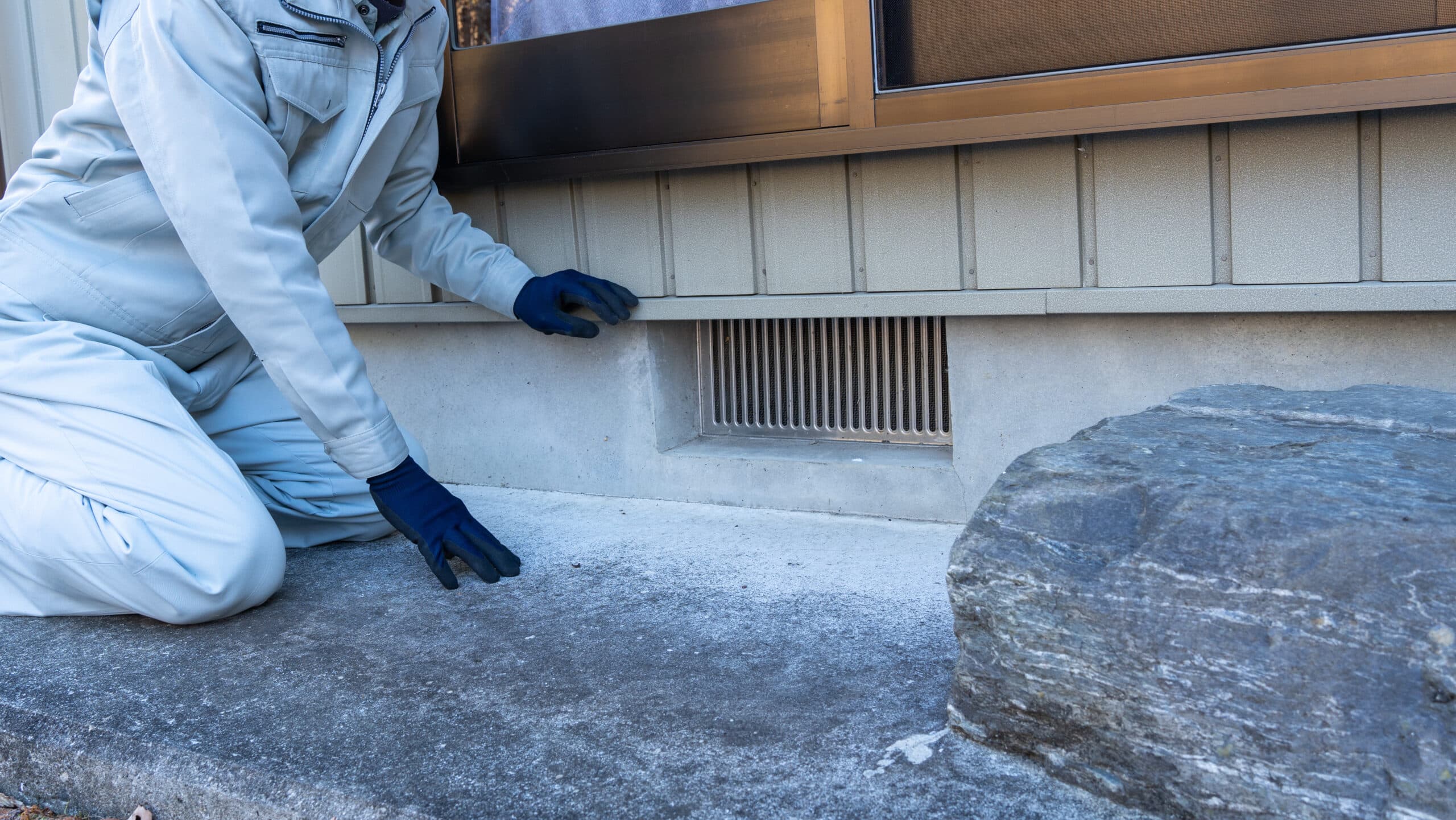
A thorough termite inspection examines both the interior and exterior of a home. Professionals typically focus on areas that are most susceptible to termite activity, including:
- Foundations and crawlspaces
- Perimeter walls and siding
- Wooden structural elements such as beams, joists, and floors
- Decks, porches, and wooden fencing
- Moisture-prone areas such as bathrooms, kitchens, and basements
Technicians will also look for signs of previous termite activity, conditions that attract termites, and any structural vulnerabilities. The goal is to assess both current threats and potential risk factors that may allow future infestations. After the inspection, homeowners receive a detailed report outlining the findings and recommended treatments or preventive measures.
The Role of Warranties in Termite Protection
Many homeowners invest in termite control programs that include warranties. These warranties are designed to provide financial protection and ensure ongoing monitoring and maintenance. There are two common types:
- Re-treat Only Warranties: Cover the cost of additional termite treatments if new activity is detected. Homeowners remain responsible for any repair costs.
- Re-treat and Repair Warranties: Cover both treatment and repair of damage discovered during the warranty period. These warranties typically cost more upfront but provide broader protection.
Annual inspections are often a requirement to maintain the validity of these warranties. Failing to conduct an inspection could result in a lapse of coverage, leaving the homeowner financially responsible if termite damage occurs.
Seasonal Considerations for Termite Activity
Termite activity in Middle Georgia fluctuates throughout the year. Subterranean termites are generally more active in warmer months, while moisture and wood conditions influence their movement and feeding patterns. Spring and summer are prime swarming periods, during which reproductive termites leave their colonies to establish new nests. Fall and winter may reduce visible activity, but subterranean colonies remain active underground.
Annual inspections help homeowners understand these seasonal patterns and adjust preventive measures accordingly. Technicians may recommend targeted treatments or habitat adjustments to reduce conditions favorable to termite activity.
Environmental and Structural Factors That Increase Risk
Termites are attracted to specific environmental conditions. Moisture, wood-to-soil contact, and areas with poor ventilation can increase the likelihood of infestations. During an inspection, professionals assess:
- Drainage issues that create standing water near foundations
- Leaking pipes or plumbing fixtures
- Wooden siding, fencing, or mulch in direct contact with soil
- Dense landscaping that traps moisture against the home
Addressing these factors is as important as chemical treatment. Reducing environmental risks helps prevent termite colonies from establishing themselves and complements ongoing pest control measures.
How Annual Inspections Fit Into a Comprehensive Program
Termite prevention involves multiple steps beyond initial treatment. Annual inspections are one of several components, including:
- Application of liquid soil treatments around foundations
- Installation and monitoring of baiting systems
- Localized spot treatments for active infestations
- Moisture control and habitat management
These steps work together to create a barrier that deters termites and allows technicians to intervene quickly if activity is detected. Annual inspections serve as a check-in point to ensure all measures are functioning effectively and identify areas that require attention.
Signs You Should Call Your Technician Between Inspections
Even with regular inspections, homeowners should remain vigilant. Warning signs warrant immediate contact with a termite professional:
- Mud tubes on walls, foundations, or crawlspaces
- Winged termites inside the home, especially near windows or light sources
- Sagging or hollow-sounding wood in floors, ceilings, or decks
- Persistent moisture issues that cannot be corrected with routine maintenance
Prompt response helps prevent infestations from spreading and reduces long-term damage. Professionals can apply targeted treatments and recommend repairs to maintain the home’s structural integrity.
Preparing Your Home for Annual Inspections
Homeowners can facilitate thorough inspections by preparing the property in advance. Helpful steps include:
- Clearing stored items from crawlspaces, basements, and attics
- Ensuring easy access to all exterior walls, decks, and porches
- Addressing minor maintenance issues, such as gutter cleaning and trimming vegetation
- Documenting any past termite damage or repairs for reference
Preparation ensures that technicians can conduct a complete evaluation and provide accurate recommendations. This proactive approach supports ongoing termite management and reinforces warranty coverage.
Long-Term Benefits of Consistent Inspections
Regular termite inspections offer more than immediate protection. Homeowners benefit from:
- Reduced risk of significant structural damage
- Assurance that termite control warranties remain valid
- Early detection of environmental factors that promote infestations
- Expert guidance on preventive measures and habitat adjustments
- Peace of mind knowing that professional monitoring is in place year-round
Consistency is key. Termites can appear quietly and spread quickly, but an annual inspection program ensures that potential problems are caught before serious harm occurs.
Choosing the Right Termite Control Partner
Working with a licensed, experienced pest control company in Middle Georgia is crucial. Local professionals are familiar with regional termite species, seasonal patterns, and common structural vulnerabilities. They provide customized inspection schedules, treatment options, and follow-up services tailored to each home. By partnering with a reputable provider, homeowners gain access to both expert knowledge and practical solutions designed to protect their property in the long term.
Keep Your Home Your Castle by Keeping Termites Out With National Exterminating
Don’t wait until termites compromise your home. Call National Exterminating at 478-922-1410 or schedule a consultation online today. Protect your investment, maintain peace of mind, and experience the confidence that comes with expert termite control.
Related articles: