Common Rodents & How Macon Pest Control Experts Handle Them
settingsRodents are a serious concern for Middle Georgia homeowners, causing property damage, spreading disease, and reproducing rapidly. From house mice and Norway rats to roof rats, deer mice, cotton rats, and even squirrels, each species presents unique risks and behaviors. Early identification and professional pest control are essential for effective management. Local Macon experts use tailored strategies, including exclusion, sanitation, trapping, and monitoring, to protect homes year-round and minimize both health hazards and structural damage.
Rodents are among the most troublesome pests homeowners in Middle Georgia encounter. Mice, rats, and their close relatives often thrive in residential areas where food and shelter are abundant. They damage property, spread diseases, and multiply quickly, making professional control essential when infestations take root. While rodents may look similar at first glance, each species carries its own risks and requires a tailored approach for removal and prevention. Understanding which rodents are most likely to invade Macon homes and what makes them dangerous helps homeowners recognize problems before they escalate.
House Mice: Small Pests With Big Impact
The house mouse is the most common rodent in American homes. It is small, usually no more than four inches long, with grayish fur, rounded ears, and long tails. Despite its size, the house mouse’s impact on households is significant.
House mice gnaw constantly to keep their ever-growing teeth filed down, which can lead to chewed wiring, shredded insulation, and weakened drywall. If not addressed quickly, these habits can result in electrical fires and long-term structural issues. Health hazards include the spread of Salmonella through contaminated food and surfaces. Their droppings and dander may also worsen asthma or allergy symptoms in sensitive individuals.
House mice reproduce rapidly, with females capable of producing dozens of offspring each year. Their ability to squeeze through gaps as small as a quarter of an inch makes exclusion especially difficult without professional inspection.
Norway Rats: Heavyweight Invaders
Norway rats are larger, more aggressive rodents compared to mice. Reaching lengths of up to 16 inches, including the tail, they are stocky, with blunt noses and small ears. Unlike roof rats, they are poor climbers, but they excel at burrowing and nesting close to food sources.
Property damage from Norway rats can be severe. Their burrows undermine foundations and outdoor structures, while indoor activity includes chewing through furniture, plastic, and electrical wiring. Their preference for gnawing wood and pipes can compromise both plumbing and insulation.
From a health standpoint, Norway rats are known carriers of leptospirosis and rat-bite fever. They contaminate stored foods and leave greasy rub marks along walls and baseboards, a clear sign of heavy traffic. Once established, colonies proliferate, making it difficult for homeowners to regain control without outside help.
Roof Rats: Agile and Destructive
Sometimes called black rats, roof rats are slimmer than Norway rats, with pointed noses and long tails often longer than their bodies. They are excellent climbers, frequently nesting in attics, upper cabinets, and dense vegetation around homes. Their dark fur and agility allow them to move unnoticed, especially at night.
The primary concern with roof rats is their tendency to invade upper levels of homes where food and insulation are accessible. Like their Norway relatives, they gnaw through wires, creating fire hazards. Roof rats also spread diseases such as Salmonella and typhus through their droppings and urine.
Because of their climbing skills, roof rats are particularly challenging to keep out. Overhanging tree branches, gaps near rooflines, and vents become easy access points. Homeowners often discover them only after hearing scratching in the attic or spotting droppings near stored food.
Deer Mice: Rural Carriers of Dangerous Viruses
Deer mice are less common in highly urban parts of Macon but pose a real threat in suburban and rural areas. They are small, with white bellies, large eyes, and bicolored tails. These rodents are especially concerning because they are linked to hantavirus, which can cause severe respiratory illness in humans.
Unlike house mice, deer mice are more likely to nest outdoors in woodpiles, sheds, and garages, although they will invade homes when temperatures drop. Their droppings contaminate food and surfaces, and disturbing their nests may release airborne particles carrying pathogens.
Their presence often goes unnoticed because of their quiet, nocturnal nature. However, any sign of them indoors should be addressed promptly due to the health risks they carry.
Cotton Rats: A Regional Nuisance
Unique to the southeastern United States, cotton rats are medium-sized rodents with shaggy brown fur and short tails. They prefer grassy areas and are more commonly found outdoors than indoors, but they can invade homes in search of food or shelter.
Cotton rats can damage gardens, chew through stored items in sheds, and spread diseases such as murine typhus. Because they thrive in overgrown vegetation, yards with tall grass or heavy ground cover are particularly susceptible to infestations. Their preference for nesting outdoors does not eliminate the threat of them finding their way inside during colder months.
Professional pest control in Middle Georgia often involves habitat management in addition to exclusion measures when cotton rats are a problem.
Eastern Gray Squirrels: Familiar but Problematic
Although not always considered “pests” in the same way as rats and mice, Eastern gray squirrels frequently become household nuisances. They are easily recognized by their bushy tails, gray fur, and energetic movements. While charming outdoors, they create headaches when they move into attics, crawlspaces, or chimneys.
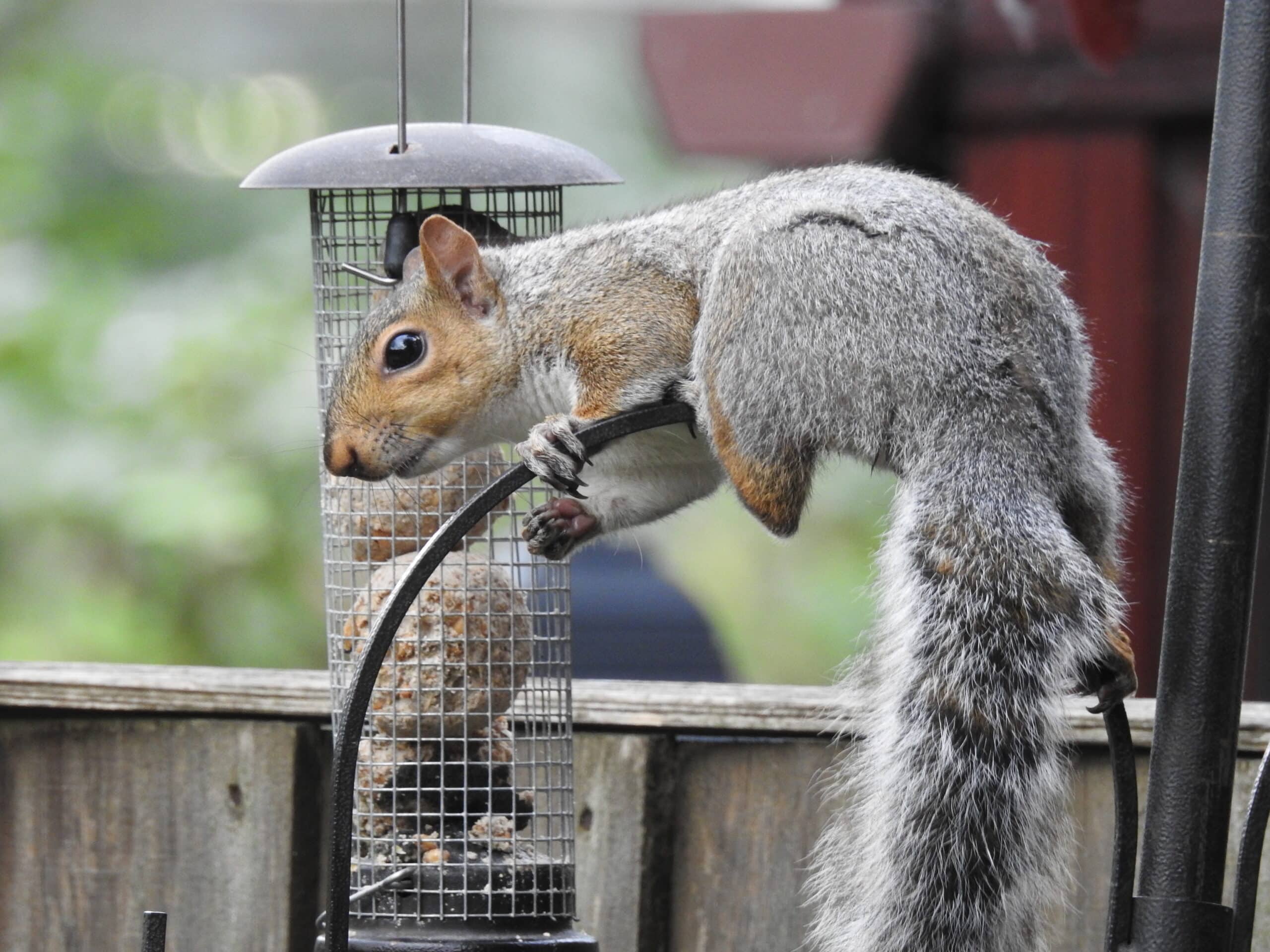
Squirrels gnaw on wood, shingles, and wires, leading to structural and fire hazards. They are also notorious for making loud noises in attics, especially during breeding season. While they are not as serious a health threat as rats or mice, they can carry parasites such as fleas and ticks that may affect pets and people.
Because squirrels are agile and persistent, removing them often requires specialized trapping and exclusion. Once entry points are sealed, professional monitoring ensures they do not return.
Identifying a Rodent Problem in Your Home
Recognizing the presence of rodents early helps reduce long-term damage and health risks. Some common warning signs include:
- Droppings in kitchens, pantries, or utility rooms
- Gnaw marks on food packaging, wood, or wiring
- Scratching or squeaking sounds in walls or ceilings
- Greasy rub marks along baseboards or rafters
- Shredded nesting materials in hidden areas
Not all rodents leave the same signs, so a trained technician can distinguish between species and determine the best treatment plan.
Why Professional Control Is Essential
While traps and baits are widely available, dealing with rodents effectively requires more than quick fixes. Macon pest control experts provide a multi-step approach that combines exclusion, sanitation, trapping, and long-term monitoring. Tailored strategies matter because each species behaves differently. Roof rats demand attention to rooflines and trees, while Norway rats call for ground-level exclusion and burrow management.
Professional teams also use protective equipment and safe methods for handling droppings, nests, and contaminated areas. This precaution prevents exposure to diseases that homeowners might unknowingly encounter during cleanup. In addition, pest control experts understand seasonal rodent behavior in Middle Georgia, allowing them to anticipate when invasions are most likely.
Protecting Your Home from Rodents Year-Round
Rodents are resilient, resourceful, and quick to reproduce. Once they establish themselves inside, removing them without expert help becomes increasingly tricky. Understanding the differences among common species helps homeowners recognize problems early, but long-term protection depends on professional strategies. By sealing entry points, maintaining clean environments, and monitoring activity, pest control experts safeguard homes against the health risks and property damage rodents bring.
Macon homeowners benefit from local expertise that considers the region’s unique climate and rodent populations. With proactive steps and the support of trained professionals, families can enjoy peace of mind knowing their homes are protected throughout the year.
Got a Rodent Problem? National Exterminating Is Ready to Send Small Critters Packing!
Call us today at 478-922-1410 to schedule a rodent control consultation or learn more about our monthly and seasonal treatment options. We’re ready to get unwanted mice, rats, and other rodents out of your home for good.
Related articles: