Ant Resources for Middle Georgia
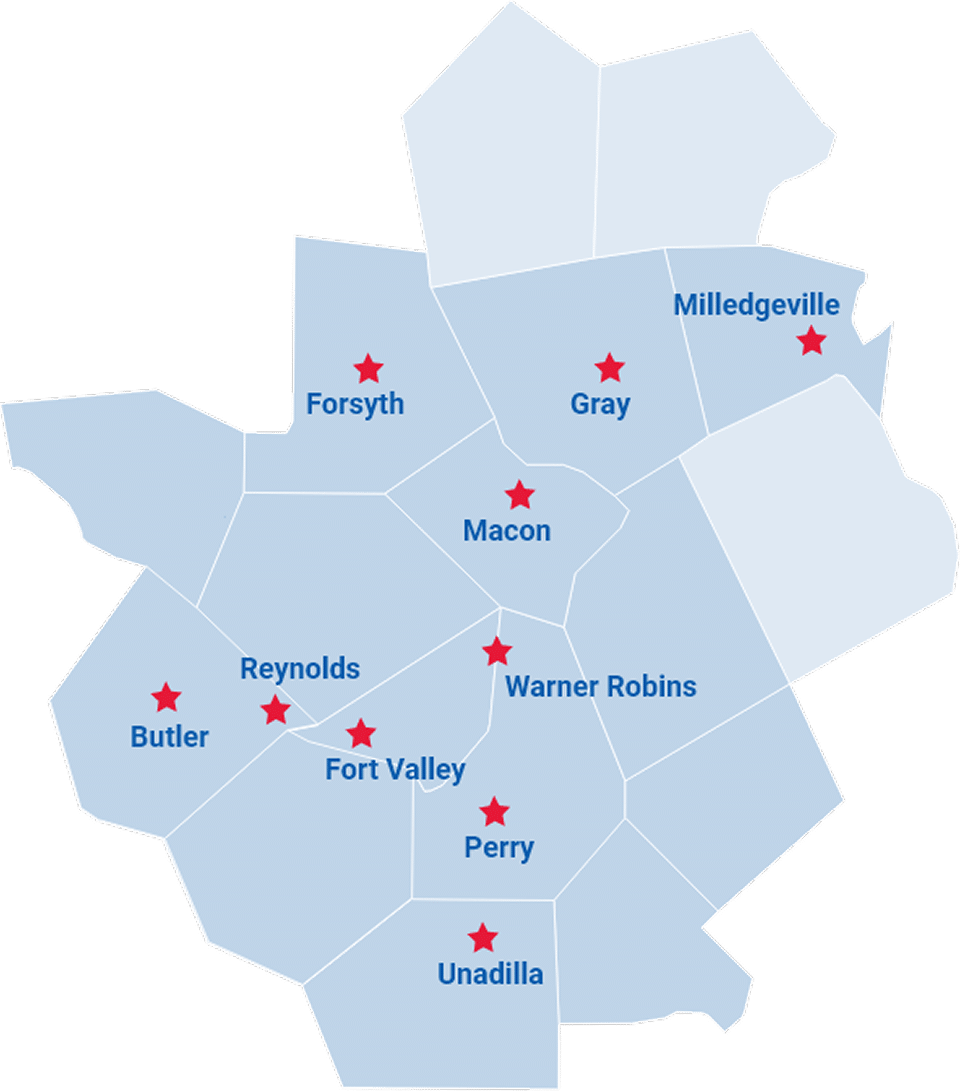
settingsServing residential and commercial properties in Warner Robins, Macon, Forsyth, Gray, Milledgeville, Perry, and the surrounding Middle Georgia areas.
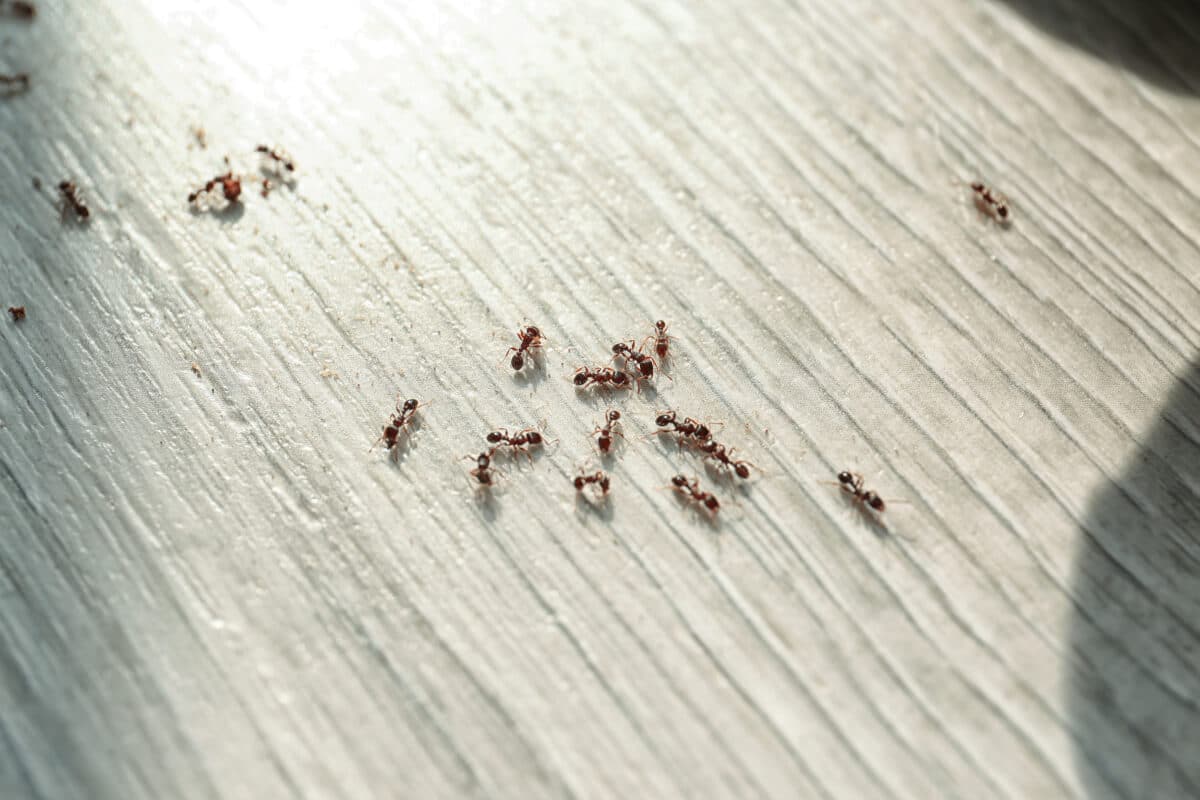
You spotted one ant on your kitchen counter. Then a trail. Then a line marching straight toward the dog bowl. Welcome to one of Middle Georgia’s most persistent pest problems.
Ants are social insects, which means the ones you see are just the tip of the colony. Killing the visible workers does almost nothing to address the thousands you can’t see. And in Macon’s warm, humid climate, multiple ant species are active nearly year-round:
- Odorous house ants follow scent trails into kitchens and pantries
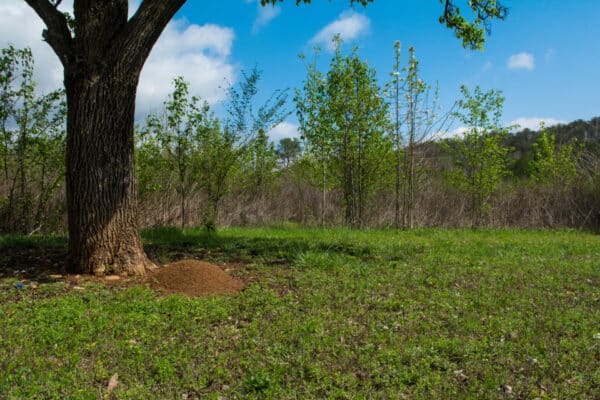
- Fire ants build mounds in yards and deliver a memorable sting
- Carpenter ants tunnel silently through wood, damaging your home’s structure over time
Effective ant control means identifying the species, finding the entry points, and treating the colony itself — not just the scouts on your countertop.
Browse the articles below to learn more, or skip straight to the solution: call National Exterminating at 478-922-1410 and let our team handle it.


Identifying Middle Georgia’s Most Common Ants
Odorous House Ants
Odorous house ants are small, dark brown to black ants that release a strong, rotten-coconut smell when crushed, hence the name. They travel in visible trails along countertops, baseboards, and door frames, following scent paths back to food and water. Colonies can number in the thousands and often nest in wall voids, under floors, or in mulch beds just outside your door.
Fire Ants
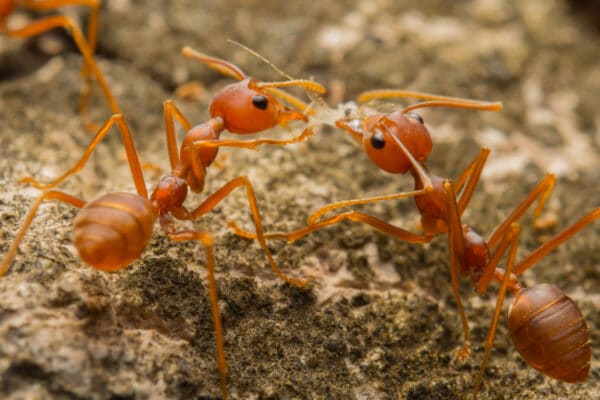
Fire ants are reddish-orange ants that build large, dome-shaped mounds in open lawns, along driveways, and near foundations. Fire ants are aggressive and sting in unison when a mound is disturbed, and a single colony can hold well over 100,000 workers. In Middle Georgia, mound activity often spikes after rainfall or when temperatures shift from hot to mild.
Carpenter Ants
Middle Georgia sits right at the overlap between two carpenter ant species: the Florida carpenter ant (deep-red head and thorax with a black abdomen) that’s more common in South Georgia and the black carpenter ant (solid black with yellow hairs) that’s more common in Middle and North Georgia. Both tunnel through moisture-damaged wood to build their nests. Despite the name, they don’t eat the wood, but their repeated tunneling can seriously weaken structural framing over time.
Pharaoh Ants
Pharaoh ants are tiny, pale yellow to reddish ants that are easy to miss until a colony is well established. They’re drawn to moisture and will nest almost anywhere indoors: inside wall voids, behind baseboards, under flooring, even inside electrical outlets. If a colony of pharaoh ants senses a threat, like insecticide, it can split into several new satellite colonies rather than die off as one, turning one nest into many. Pharaoh ants can also carry bacteria and contaminate surfaces and food, making them more of a health risk than most other household ants.
Argentine Ants
Argentine ants are small, uniformly dark brown, and often move in wide, fast-moving trails rather than the narrow single-file lines of other species. They’re strongly drawn to moisture and sugary foods, and unlike many ants, their colonies don’t compete with each other. Neighboring nests often merge into a single massive “supercolony” that can stretch across multiple properties. This makes an Argentine ant problem harder to contain than it first appears, since treating one visible trail may do little if the broader colony network extends well beyond your yard.
Frequently Asked Questions About Ant Control in Middle Georgia
settings
50+ Years of Serving All of Middle Georgia
From our home office in Warner Robins, the National Exterminating team helps homeowners and businesses across the entire Middle Georgia region:
settings50+ Years of Serving All of Middle Georgia
From our home office in Warner Robins, the National Exterminating team helps homeowners and businesses across the entire Middle Georgia region: